Arts & Culture
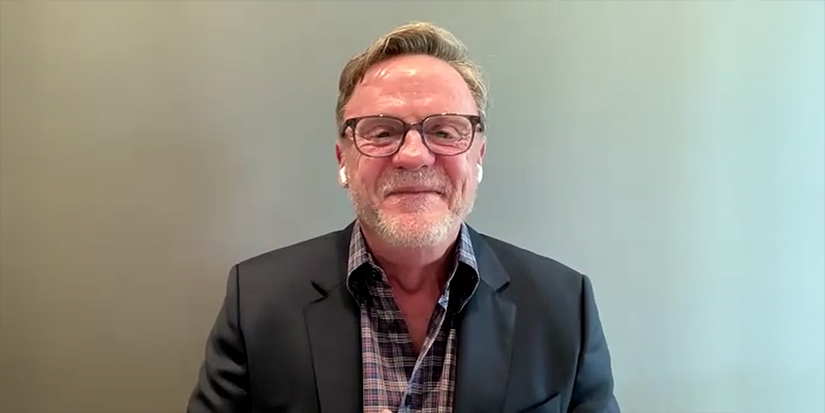
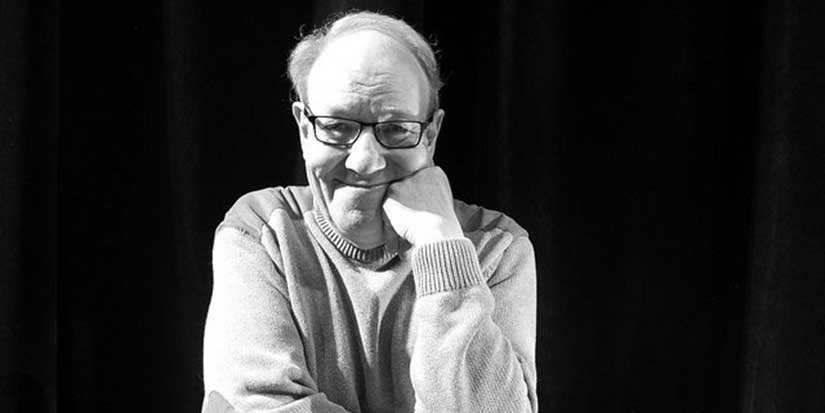
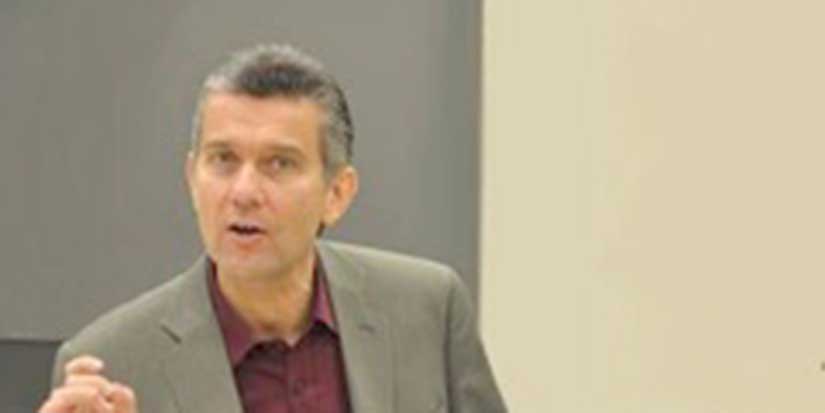
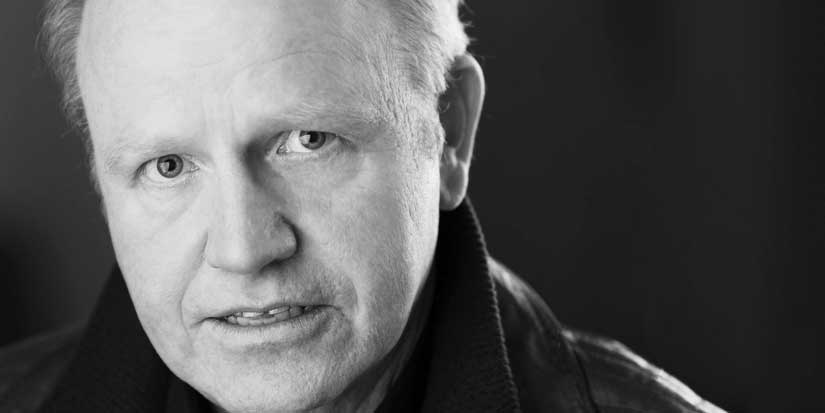
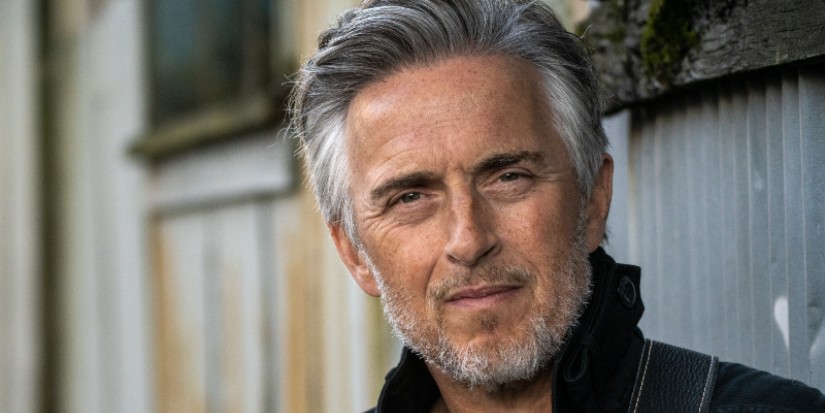
Bill Pugin in an Interview with Richmond Sentinel
Fly On The Wall; Bill Pugin's Heartfelt Memoir

Published 1:02 PDT, Tue March 24, 2026
Last Updated: 2:43 PDT, Tue August 11, 2026


-
Our City Tonight sat down with Bill Pugin, who shares his life story in his heartfelt memoir Fly On the Wall. From growing up in a small Southern town to being on the global stage as a sign language interpreter, performer, and advocate. He has provided services for four US presidents, the Dalai Lama, World Leaders, and Global celebrities.
OCT: You shared five decades of your travels and experiences. The biggest point learned from your book has to be that sign language is not universal but in fact unique to every country. Did that surprise you as you started to learn American Sign Language?
BP: I’m the youngest of four kids in my family and my sister, Maryanne is the second oldest. She is eight years older than me, and she lost her hearing when she was three years old. By the time I was born, she was already deaf. Even as a young kid, I realized that she struggled to communicate with the family. Nobody learned sign language until I did at 17, then my other sister learned to sign the next year. It didn’t seem fair that the burden of communication was always put on my sister’s shoulders. She was the one who had to lip read, she had to struggle with speech if she didn’t know how to say a word. She was sent to a school for the deaf in the fifth grade and she would bring home classmates. I would watch them communicate, and I was so envious because I wanted to know what made them laugh, and what they were talking about. To me it was a secret language, and I was determined to learn that language. I have now been an interpreter for 50 years, she and I are very close because I did learn her language. I also learned about her culture and her community.
OCT: You have had a very full life not just with sign language, although you became the top of your field in that career. Alongside that you also became a successful actor and performer.
BP: I was always the little boy that loved to dance, so I was in children’s theatre and when I got older, I realized that I still had that skill and the love to perform. Sign language sort of helped me do that because as an interpreter you’re very aware, you’re out there, and you’re performing for an audience. I was able to combine my love of interpreting and sign language with my love of music. At a very young age I was doing music shows in sign language and signing songs. The message that comes across in my book is that I always said yes to things. Any time anything was presented to me I would say yes, even if it scared me. One of the things that was presented to me when I was 21 was the opportunity to work on a cruise ship as a singer and dancer. I thought to myself when am I going to get an opportunity to travel the world and get paid to sing and dance in front of thousands of strangers every week.
OCT: We mention Marlee Matlin because she had a huge influence in your life. I understand you have worked a long time with her, so can you tell us how that came to be?
BP: Marlee and I are great friends, in fact we were just on a zoom call this morning before this interview. We met the year she won her Oscar for Best Actress in the movie Children of a Lesser God. I was teaching song signing at the music centre for a group called VSA, Very Special Arts. They had used me for a couple of years in the past and every year I came to teach little kids how to sign songs. There were various tents set up with face painting and other things for kids to do. My tent was for song signing, and that year the host was Lauren Tewes, who played Julie McCoy, the cruise Director of the TV series The Love Boat. I had worked with her on board the Princess Cruises. Lauren came to my tent with the guest of honour that year, Marlee Matlin. Marlee had just won the Oscar, and I saw them walk into the tent. All I could think about was, I hoped not to screw up my performance in front of her. I did my thing, she really liked it, she came over, and we hit it off like we had been friends for years. That was many decades ago. We have worked together on 28 of her projects, in television and film. I’ve also travelled the world with her including all of the provinces in Canada.
OCT: We learned a lot about the difference between small “d” deaf and the big “D” deaf. It’s a good educational part, can you please explain this to our viewers.
BP: I’m glad you asked that and as we mentioned that sign language is not universal, the little “d” deaf refers to hearing loss, a deafened adult, so this would be talking about deafness in general by hearing loss. The big “D” for deaf relates to the deaf culture. This is someone who uses sign language as their main form of communication, and who identifies with the culture as well as someone who may have attended a school for the deaf growing up. This identifies somebody who is really part of the community, involves sign language, and has a shared experience with a shared language. I made sure to differentiate just the word, deaf or deafness with giving honour and respect to those people who are in that culture and in that community. So that’s when you will see the D deaf.
OCT: Your book was entertaining as well as very educational. It is not just for people who are interested in learning more about sign language. It is overall just a really good story about a very unique life.
Find Fly On the Wall through amazon.com, as well as barnesandnoble.com and coming soon to all bookstores near you To watch the video interview in full go to www.richmondsentinel.ca/videos.













































.jpg)


.jpg)
















































-825x413.jpg)









2 Hours of free financial consulting
Jai Xin Planning Ltd.
C$120.00 C$0.00

Use any of our home staging service and get a second month rental for free!
MiiX Interiors
C$500.00 C$0.00

Get 10% off any order
Phantom Screens Lower Mainland
C$200.00 C$180.00